The Frequency of Action 24 Channel via All Satellites

Satellite television systems are constantly improving, and with these improvements come regular frequency changes that ensure clearer and more stable broadcasting. Users must stay informed with the latest updates to maintain uninterrupted access to channels and enjoy the best possible viewing experience.
Channel Frequency Updates and Easy Satellite Setup Guide
- Updated lists of the latest satellite channel frequencies
- Ongoing coverage of channel news and technical changes
- Step-by-step instructions for channel installation
- Tips for adjusting satellite signal for optimal performance
- Helpful solutions for weak or lost signal issues
The satellite TV industry is constantly improving, and with these improvements come frequent frequency adjustments aimed at enhancing transmission clarity. Users who follow these updates can enjoy a more stable and reliable viewing experience.
Comprehensive Guide to Satellite Frequencies and Signal Management
- Regular updates of channel frequencies
- Important satellite broadcasting news
- Simple channel setup steps
- Guidance for better signal positioning
- Solutions for common reception problems
Action 24 is a prominent television channel offering 24-hour news, sports, and entertainment programming.
Satellite broadcasts provide reliable reach worldwide, ensuring uninterrupted signal reception even in areas with limited internet. This article provides a detailed guide on frequencies, transponder options, and technical requirements for receiving Action 24 on all satellites.
Satellite Broadcasting: The Backbone of Action 24
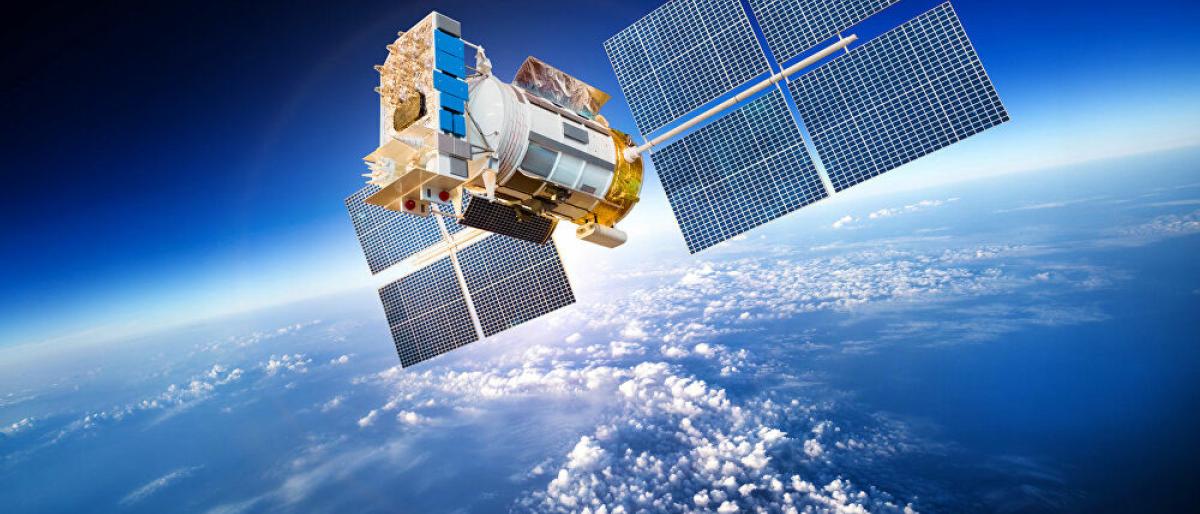
Satellite technology plays a key role in distributing Action 24. Major satellites such as Astra, Hispasat, and Eutelsat deliver reach across Europe, Latin America, and other regions. Signals are transmitted through dedicated transponders, which can carry multiple channels at the same time.
Proper antenna positioning and tuner configuration are essential for uninterrupted reach. Both standard definition (SD) and high definition (HD) feeds are available, and some satellites provide ultra-high-definition (UHD) streams for premium viewers.
Action 24: Key Frequencies and Settings
- Astra 19.2° East (Europe)
- Frequency: 11,000 MHz
- Polarization: Vertical
- Symbol Rate: 22,000 ksps
- Forward Error Correction (FEC): 3/4
- Notes: Main feed for European viewers
- Hispasat 30° West (Latin America)
- Frequency: 10,750 MHz
- Polarization: Horizontal
- Symbol Rate: 27,500 ksps
- FEC: 5/6
- Notes: Primary feed for Latin America
- Eutelsat 9° East (Supplementary/Overflow)
- Frequency: 11,800 MHz
- Polarization: Vertical
- Symbol Rate: 30,000 ksps
- FEC: 2/3
- Notes: Used occasionally for overflow or regional reach
Tip: Always verify your tuner options, as frequencies may change slightly due to seasonal adjustments.
Recommended Receiver Setup
- Align your satellite antenna to the correct orbital position using a compass or signal meter.
- Use a compatible Ku-band LNB, typically 9750/10600 MHz, for universal reception.
- DVB-S2 receivers are recommended for HD feeds.
- HEVC decoding is required for UHD streams.
- Ensure a minimum signal-to-noise ratio (SNR) of 12–15 dB for stable and clear viewing.
Advantages of Satellite Access
- Reliable reception even in remote areas.
- Wide reach across continents without depending on internet bandwidth.
- Multiple feeds available: SD, HD, and UHD channels.
- Consistent signal clarity with minimal interference.
Technical Insights
- Transponders: Relay signals from uplink stations to the antenna.
- Polarization: Vertical or horizontal to prevent signal overlap.
- Symbol Rate: Determines data transmission; higher rates require precise antenna positioning.
- Forward Error Correction (FEC): Balances signal clarity and error correction.
- Modulation: 8PSK for HD, QPSK for legacy receivers.
- HEVC Compression: Used for UHD broadcasts to maintain clarity at lower bitrates.
- Bandwidth Allocation: Each transponder can carry multiple channels simultaneously.